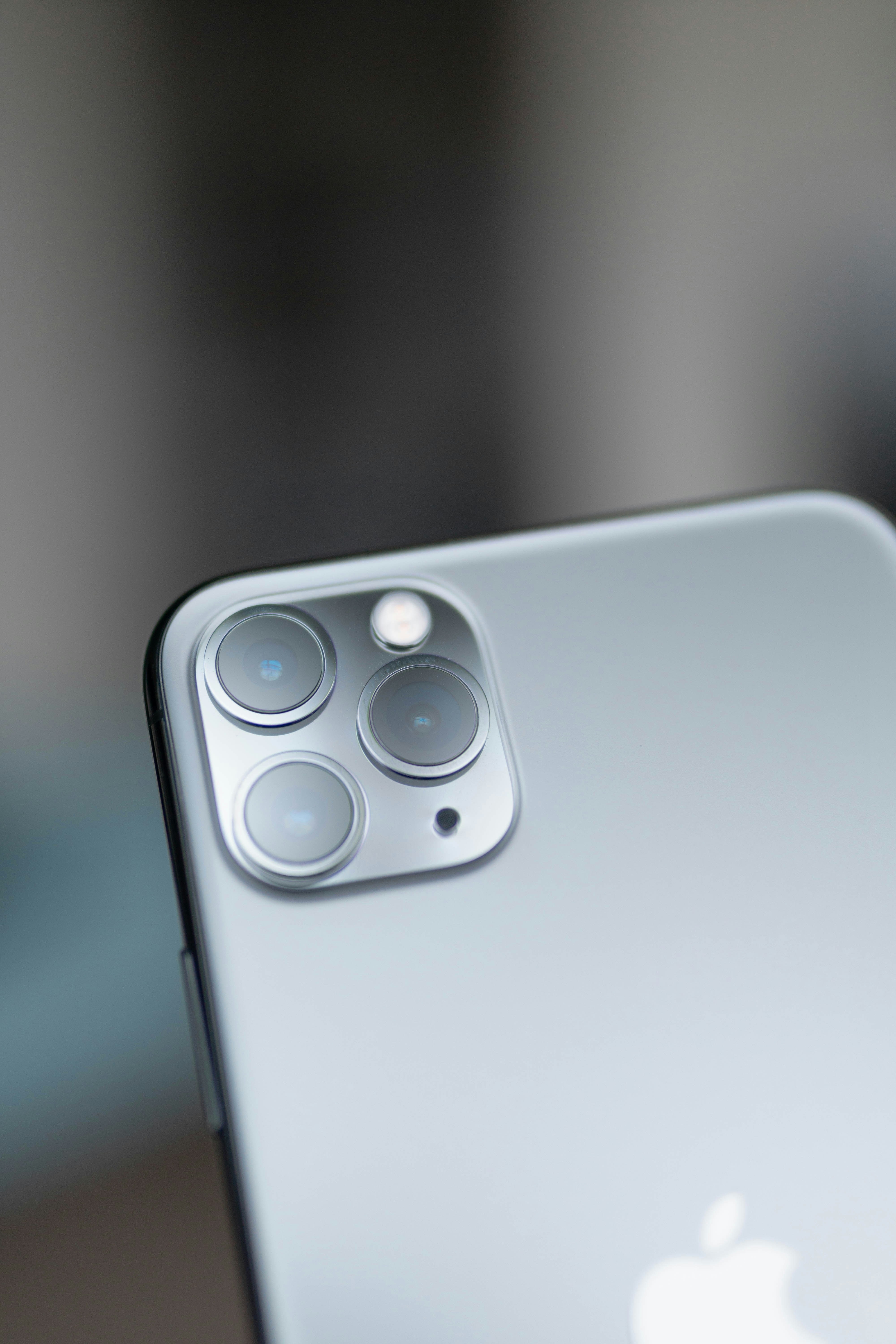

Introduction to Mobile Photography
The landscape of mobile photography has evolved significantly over the past decade, transforming from a mere trend into a prominent mode of expression for millions around the world. As smartphones have become ubiquitous, their built-in camera systems have advanced remarkably, rivaling traditional cameras in both functionality and image quality. This shift is not solely attributed to hardware improvements; it also stems from the increasing interest in capturing and sharing moments on social media platforms, effectively pushing mobile photography into the spotlight.
As smartphone manufacturers introduce innovative features, such as multiple lens systems, advanced image processing algorithms, and artificial intelligence, mobile photography continues to attract photography enthusiasts and professionals alike. The convenience offered by mobile devices allows users to seize spontaneous moments, providing them with the ability to communicate visually in a fast-paced digital society. It is within this context that the advancements featured in devices like the S25 Ultra’s camera system become essential to understand, as they exemplify the potential of mobile photography.
Moreover, the accessibility of sophisticated photography tools has sparked a proliferation of creators who now capture images with a unique artistic vision. With iterative advancements in smartphone technology, understanding these developments becomes vital for enthusiasts striving to enhance their skills, as well as professionals seeking to adopt new methodologies in their work. The S25 Ultra, with its state-of-the-art camera features, represents the pinnacle of this evolution, making the exploration of its capabilities imperative for anyone interested in the future of mobile photography.
This section introduces the integral role mobile photography plays in today’s culture, setting the stage for a thorough analysis of the innovations brought forth by the latest advancements in smartphone camera technology.
Overview of the S25 Ultra’s Camera Specifications
The S25 Ultra is equipped with an impressive camera setup that significantly enhances mobile photography experiences. At the core of this smartphone’s photography capabilities is its primary sensor boasting a remarkable resolution of 200 megapixels. This high megapixel count allows for stunning detail capture, which is particularly beneficial in scenarios requiring high-resolution images. The existence of advanced pixel binning technology further optimizes image quality by combining multiple pixels to produce clearer and more vibrant photos, especially in low-light conditions.
In addition to its sensor resolution, the S25 Ultra features various aperture sizes across its camera array. The primary camera exhibits a wide aperture of f/1.8, facilitating excellent light intake, which proves crucial for achieving well-exposed photos in diverse lighting environments. The device is also equipped with several additional lenses, including a wide-angle lens, a telephoto lens with an f/2.4 aperture, and an ultra-wide lens, each contributing to versatile photography options that cater to different scenarios from capturing expansive landscapes to close-up portraits.
The relationship between sensor technology and lens capabilities further amplifies the S25 Ultra’s suitability for mobile photography. The use of innovative sensor technologies, such as Dual Pixel autofocus, ensures swift and precise focusing across various photography situations. The enhanced stabilization technology embedded within the camera system tackles motion blur, resulting in sharper images, making it ideal for capturing dynamic scenes. With these specifications, the S25 Ultra positions itself as a formidable contender in the realm of mobile photography, ensuring users can achieve professional-quality results directly from their smartphones.
Innovative Features of the S25 Ultra Camera System
The S25 Ultra camera system presents a range of innovative features that significantly enhance mobile photography. One of the standout attributes is its advanced image stabilization technology. By employing both optical and digital stabilization methods, the S25 Ultra effectively minimizes blurriness caused by hand movements, ensuring that photos remain sharp and clear even under challenging conditions. This feature is especially beneficial for capturing fast-paced action shots or shooting video while in motion, allowing photographers to produce professional-quality images without the need for bulky equipment.
Night Mode is another remarkable addition to the S25 Ultra’s arsenal. This feature utilizes a combination of long exposure, noise reduction algorithms, and enhanced sensor sensitivity to capture vibrant images in low-light settings. Users will find that previously challenging scenarios, such as indoor gatherings or evening landscapes, can be tackled with stunning results, preserving details and colors that might otherwise be lost to darkness.
The integration of AI enhancements further distinguishes the S25 Ultra from its competitors. This system intelligently analyzes the scene, making adjustments to parameters such as exposure, contrast, and saturation in real-time, ensuring optimal results for each shot. For example, when photographing a sunset, AI algorithms can automatically enhance the golden hues, enhancing the overall warmth and vibrancy of the image without requiring any post-processing.
Moreover, the portrait capabilities of the S25 Ultra are designed to achieve breathtaking depth-of-field effects. By allowing for precise bokeh adjustments and providing users with the ability to fine-tune the focus on the subject, this feature makes professional-quality portrait photography accessible even to amateur photographers. With these innovative features, the S25 Ultra’s camera system is poised to redefine mobile photography and elevate the creative possibilities for users across the globe.
Comparing the S25 Ultra to Other Leading Smartphones
The smartphone market is highly competitive, particularly in the realm of mobile photography. To determine the S25 Ultra’s position among its peers, we have compiled a comparison of its camera system against a selection of other leading smartphones available in 2023. This comparative analysis highlights key metrics and features, allowing readers to make more informed decisions regarding mobile photography capabilities.
In our analysis, we evaluate several crucial aspects of the camera systems across these devices, including megapixel count, optical zoom capabilities, low-light performance, video recording capabilities, and unique software features. The S25 Ultra boasts an impressive 200 MP primary sensor, which ideally captures details and color vibrancy. In contrast, competing smartphones such as the P40 Pro and iPhone Pro Max offer substantial megapixel counts, typically ranging from 12 MP to 108 MP. However, the S25 Ultra’s advanced image processing algorithms significantly enhance its image quality even in challenging lighting conditions.
Another vital metric to consider is optical zoom. The S25 Ultra provides a remarkable 10x optical zoom, which allows for sharp images at a distance. In comparison, models like the Samsung Galaxy S23 Ultra and the Huawei P60 Pro also feature exceptional zoom capabilities but often trade off optical performance for other enhancements, such as computational photography features.
Low-light performance, quantified by camera aperture sizes and processing techniques, plays a critical role in mobile photography. The S25 Ultra integrates advanced Night Mode functionalities that outperform many leading devices, ensuring clearer and more defined images in dim environments. Furthermore, video recording at 8K resolution positions the S25 Ultra ahead of the competition, giving it a significant edge regarding content creation.
This comparative analysis sheds light on the S25 Ultra’s strengths and potential shortcomings when evaluated against its leading counterparts, setting the stage for understanding its place in the mobile photography landscape.
Tech Behind Mobile Photography: Sensor and Lens Technology
The evolution of mobile photography has undoubtedly been influenced by advancements in sensor and lens technology. In the case of the S25 Ultra, the integration of high-performance sensors and precision-engineered lenses plays a crucial role in image quality. The camera system of the S25 Ultra features a large sensor that captures more light compared to traditional smartphone sensors. This enhancement allows for greater detail, even in low-light conditions, thereby expanding the capabilities of mobile photography.
The sensor technology utilized in the S25 Ultra incorporates advanced features such as larger pixel sizes and enhanced dynamic range. Larger pixels enable the capture of more light, leading to less noise and improved image clarity, especially in challenging settings. Additionally, improved dynamic range ensures that both the highlights and shadows in an image are well-represented, which is essential for ensuring natural-looking photographs.
Equally important is the lens technology implemented in the S25 Ultra. The lens system generally consists of multiple elements crafted from high-grade materials to minimize distortion and aberrations. This multi-element configuration optimizes sharpness and clarity across the entire frame, allowing photographers to achieve professional-quality results with their mobile devices. Innovations such as variable aperture settings further enhance the versatility of the S25 Ultra’s camera system, permitting greater control over depth of field and exposure.
Moreover, computational photography has fortified these sensor and lens improvements, allowing the S25 Ultra to merge data from multiple images to produce a single photograph that leverages the best characteristics of each shot. As we delve deeper into the capabilities of the S25 Ultra, it is evident that the synergy between sensor advancements and sophisticated lens technology is pivotal to the future of mobile photography.
How to Get the Best Results with the S25 Ultra’s Camera
The Samsung S25 Ultra is a powerhouse in mobile photography, offering users a wealth of features designed to elevate their photographic capabilities. To achieve optimal results, it is essential to familiarize oneself with various settings and techniques tailored to the camera system. First and foremost, utilize the Pro Mode, which allows for manual adjustments of ISO, shutter speed, and white balance. These settings enable greater control over the final image, making it possible to adapt to different lighting conditions and creative intentions.
Additionally, composition plays a pivotal role in mobile photography. Employ the rule of thirds by enabling grid lines in the camera settings. Positioning subjects along these lines or at their intersections creates a more dynamic and aesthetically pleasing image. Furthermore, experiment with different angles and perspectives; a slight change in vantage point can transform an ordinary scene into something extraordinary. Whether shooting landscapes, portraits, or macro images, engaging with the environment will lead to more captivating photographs.
Another technique to consider is utilizing the camera’s advanced features such as Night Mode or Super Steady video, which enhance low-light performance and stability, respectively. For portrait shots, the Live Focus feature allows for beautiful background blur, drawing attention to the subject. Finally, do not shy away from post-processing. Editing tools available on the S25 Ultra can help refine images, allowing for adjustments in exposure, contrast, and saturation. By applying these practical tips and techniques, users can fully maximize the photographic potential of the S25 Ultra, creating stunning images that showcase both creativity and technical prowess.
The Role of Software in Enhancing Mobile Photography
In the realm of mobile photography, software plays a pivotal role in elevating the quality and versatility of images captured by devices like the S25 Ultra. The camera’s hardware capabilities are undeniably essential, but it is the integrated software that truly brings out the potential of these advanced systems. Post-processing capabilities, editing software options, and advanced artificial intelligence (AI) features are fundamental components that greatly influence user experience and image quality.
One of the key aspects of the S25 Ultra’s camera system is its robust post-processing capabilities. After capturing an image, the software automatically applies sophisticated algorithms to enhance various attributes such as exposure, color balance, and sharpness. These enhancements are not merely trivial adjustments; they can significantly improve the overall aesthetic of a photograph, ensuring that it stands out in the crowded space of mobile imagery. Users can also leverage manual editing tools, which allow for more personalized adjustments, further empowering photographers to achieve their artistic vision.
The S25 Ultra also provides a suite of editing software options that cater to different levels of expertise. From simple, user-friendly applications for novices to advanced editing suites for seasoned photographers, the device accommodates a wide range of preferences. Such accessibility ensures that all users can manipulate their images as desired, whether that involves cropping, adjusting filters, or fine-tuning specific details to perfection.
Furthermore, the integration of AI features has revolutionized mobile photography. The S25 Ultra employs AI-driven enhancements that automatically recognize scenes and subjects, optimizing camera settings on the fly. This not only simplifies the shooting process but also minimizes the chances of user error, enabling individuals to capture stunning images with minimal effort. The interplay of software with the hardware components of the camera system exemplifies how critical advanced software is in shaping the future of mobile photography.
User Experiences and Case Studies
As mobile photography continues to advance, the S25 Ultra provides an array of features tailored for both amateur and professional photographers. User experiences reveal that the camera excels in diverse conditions, making it a reliable companion for capturing moments across various environments. One user, a travel blogger, noted that the S25 Ultra’s low-light capabilities significantly enhanced night photography. She shared stunning images of cityscapes, stating that the camera’s ability to reduce noise while amplifying clarity is impressive. This user’s experience highlights the S25 Ultra’s adaptability, a crucial factor for photographers who often shoot in challenging lighting situations.
Another case study involved a professional photographer who tested the S25 Ultra at a wedding. He praised the camera’s color accuracy and dynamic range, capturing the vibrancy of floral arrangements and the subtleties of the couple’s attire. Upon comparing images taken with both the S25 Ultra and a traditional DSLR, he found that the mobile device held its own. This illustrates how the camera system not only competes with dedicated equipment but also offers convenience, enabling photographers to operate with minimal gear.
Future Outlook: What’s Next for Mobile Photography?
The landscape of mobile photography is continuously evolving, driven by rapid technological advancements and an ever-increasing demand for higher quality images. As we look to the future, we can anticipate several key enhancements that promise to redefine the capabilities and user experience of smartphone cameras. One notable trend is the integration of artificial intelligence (AI) into photography applications. This technology is likely to become more sophisticated, enabling smartphones to analyze scenes in real time, adjust settings automatically, and offer personalized shooting modes tailored to individual preferences.
Moreover, the rise of computational photography has changed the way images are captured and processed. Future smartphones, including potential successors to the S25 Ultra, are expected to harness even more powerful image processors. These advancements will enhance low-light performance, HDR capabilities, and dynamic range, allowing users to achieve professional-level results with minimal effort. The integration of multiple lenses will also continue to be refined, offering greater versatility and improved zoom functions, which can meet various photographic needs from wide-angle to telephoto shots.
Another area of development is the sensor technology itself. Future mobile cameras are expected to incorporate larger sensors that can capture more light and detail, reducing noise in images significantly. This will also cater to the increasing demand for high-resolution images suitable for professional use. Furthermore, advancements in video recording capabilities, including 8K resolution and improved stabilization technology, will allow users to create cinematic content directly from their handheld devices.
Lastly, as consumers become more environmentally conscious, manufacturers are likely to focus on sustainable practices, utilizing eco-friendly materials and production methods for future smartphone models. In conclusion, the future of mobile photography promises a realm of possibilities, where innovation will greatly enhance the photography experience, leading to higher quality images and expanded creative opportunities for users worldwide.
Conclusion: The Impact of the S25 Ultra on Mobile Photography
In evaluating the S25 Ultra’s camera system, it is evident that this flagship device signals a transformative phase in mobile photography. With advancements in sensor technology, computational photography, and enhanced optical capabilities, the S25 Ultra sets a new benchmark for smartphone cameras. This combination of features enables users to capture stunning images that rival those taken with traditional camera systems.
The incorporation of multiple camera lenses, improved image stabilization, and machine learning algorithms has further elevated the user experience, allowing both amateur and professional photographers to explore their creativity. The S25 Ultra’s ability to perform well in various lighting conditions is particularly noteworthy; it ensures that even in challenging scenarios, users can achieve high-quality images. This adaptability not only enhances everyday photography but also encourages the exploration of new photographic styles and techniques.
Moreover, the S25 Ultra’s user-friendly interface and advanced editing tools exemplify how smartphones can empower individuals to take their photography to the next level. As consumers increasingly rely on mobile devices for social media, content creation, and personal projects, the S25 Ultra emerges as a pivotal tool in this evolution. This device not only caters to photography enthusiasts but also reassures casual users who want to document their experiences with precision and clarity.
As we look towards the future, it is crucial for users and enthusiasts alike to remain informed about the continual advancements in mobile photography technology. The S25 Ultra serves as a landmark example of how innovation can shape user expectations and revolutionize the way we capture our world. Embracing these developments will undoubtedly enrich the photography experience for all users, as they navigate the remarkable capabilities that lie ahead.