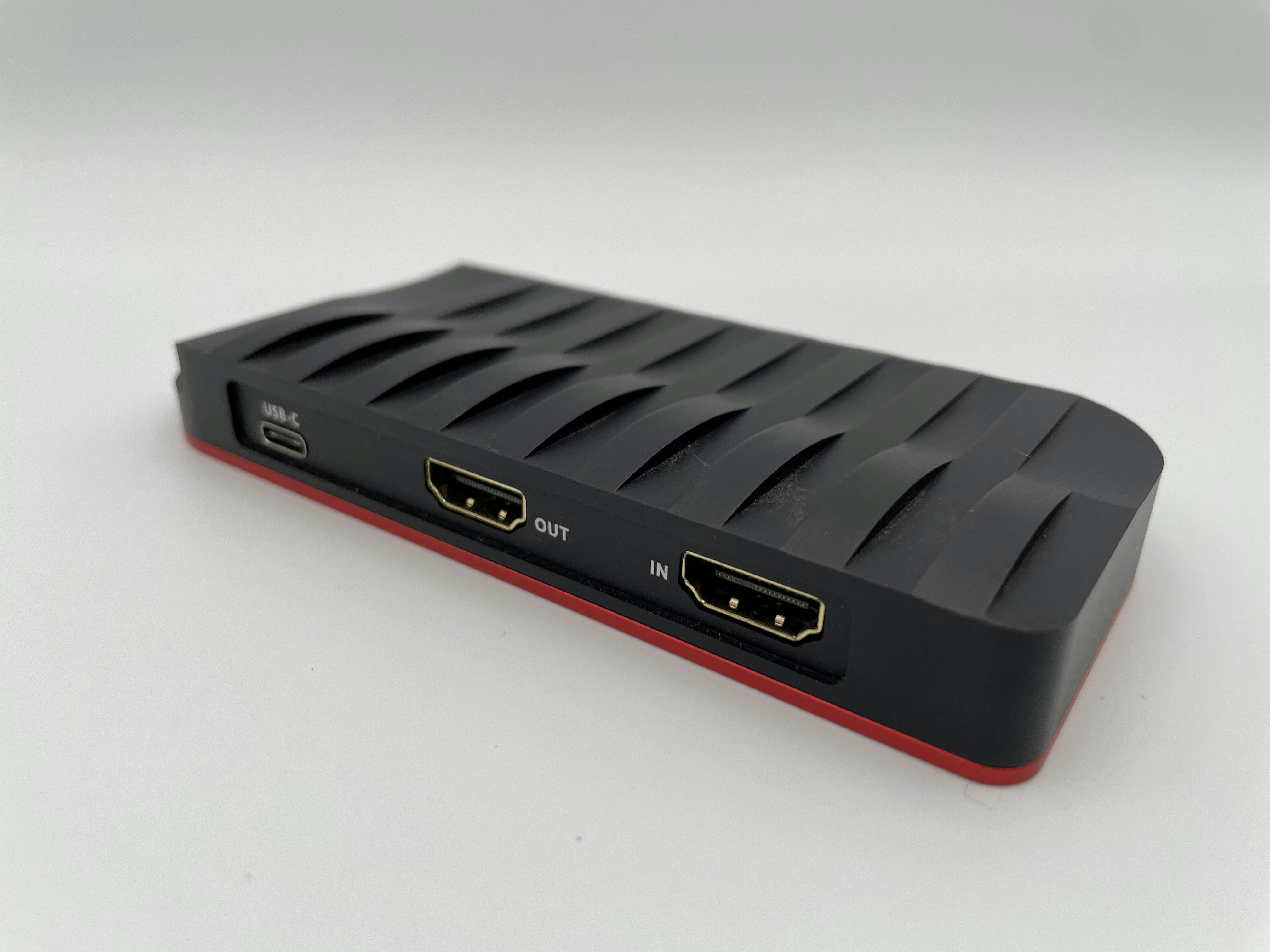

Introduction to USB-C Docking Stations
USB-C docking stations represent a significant advancement in the realm of modern computing. Designed primarily to enhance connectivity and expand the functionality of devices, these docking stations utilize the versatile USB-C interface. The transition to USB-C technology has been largely driven by its ability to simplify connections by using a single, reversible connector that supports various functionalities. This interface can handle power delivery, data transfer, and video output, making it an ideal choice for users managing multiple peripherals.
At its core, a USB-C docking station functions as a hub that connects various devices to a central point, typically a laptop or tablet. This can include monitors, storage devices, keyboards, mice, and other peripherals. For users with dual monitor setups, USB-C docking stations facilitate a seamless transition between the computer and display outputs. They often come equipped with multiple ports such as HDMI, DisplayPort, USB-A, and Ethernet, which allows for a comprehensive and efficient workstation setup.
The significance of USB-C docking stations extends beyond mere connectivity; they also address the evolving needs of professionals who require greater flexibility and efficiency in their workflows. As more laptops and devices adopt USB-C ports, the reliance on these docking stations continues to grow. For instance, professionals in design, programming, and finance often utilize dual monitor setups to improve productivity by extending their digital workspace. This shift not only enhances multitasking capabilities but also allows for a more organized and efficient way of working.
In summary, the rise of USB-C docking stations marks an important phase in the evolution of technology, offering users the tools they need to create efficient and versatile work environments, particularly in dual monitor scenarios.
Benefits of Using a Docking Station with Dual Monitors
Utilizing a docking station for dual monitor setups offers a multitude of advantages, significantly enhancing the overall user experience. One of the foremost benefits is the increase in productivity. Extended screen real estate allows users to multitask efficiently, as they can have multiple applications open simultaneously. This capability is particularly advantageous for professionals who require constant access to various tools, documents, or data sources. By spreading their work across two monitors, users can streamline their workflow, reducing the time spent toggling between windows and applications.
Moreover, a properly organized workspace greatly contributes to improved efficiency. With a docking station, users can easily connect and disconnect the dual monitors and other peripherals, helping to maintain a tidy and clutter-free environment. This organization fosters a more focused work atmosphere, allowing individuals to concentrate on their tasks without the distractions often caused by numerous cables and devices strewn across their desktops.
Another significant advantage of employing dual monitors through a docking station is the ability to run demanding applications seamlessly. Many professionals, such as graphic designers, video editors, and software developers, often work with high-performance applications that require considerable system resources. By distributing these tasks across two screens, users can enhance their productivity and minimize lag times, which are often associated with running intensive applications on a single display. Furthermore, dual monitor setups can help reduce eye strain, as they allow for better screen placement and customized viewing angles. By adjusting the layout of the displays, users can find a configuration that promotes comfort, reducing the risk of fatigue that often accompanies prolonged periods spent in front of a computer.
Key Features to Look for in a Docking Station
When selecting a USB-C docking station for dual monitor setups, several critical features warrant consideration to ensure that the station meets both current and future needs. One of the primary factors is the number of ports available on the docking station. Depending on the user’s requirements, having multiple USB-A, USB-C, HDMI, DisplayPort, and even Ethernet ports can be incredibly advantageous. This variety allows users to connect peripherals such as external hard drives, keyboards, mice, and printers effortlessly, facilitating an efficient workspace.
Video output options play a significant role as well. A suitable USB-C docking station should support various video output standards, including HDMI, DisplayPort (DP), and VGA, to accommodate different monitor types and resolutions. Compatibility with the latest display technologies, such as 4K resolution, is also essential for those seeking high-quality visuals. It’s advisable to confirm that the docking station can handle the desired resolution across dual monitors, as many users today rely on dual-screen setups for enhanced productivity.
Another critical feature is power delivery (PD). Many USB-C docking stations provide charging capabilities, allowing users to power their laptop while simultaneously connecting peripherals. This eradicates the need for multiple chargers and facilitates a cleaner workspace. The wattage delivered through PD can vary, so it’s essential to check that the station can deliver adequate power for the connected laptop brand, whether it be Dell, HP, Lenovo, or Surface devices.
Additionally, data transfer rates are paramount. Higher transfer speeds contribute to a seamless experience when transferring files between connected external drives and the laptop. Look for docking stations that support USB 3.0 or USB 3.1 ports for optimal performance. Ultimately, ensuring compatibility with different laptop brands is essential, as not all docking stations work universally across all manufacturers. By considering these key features, users can make informed decisions when selecting a USB-C docking station tailored to their needs.
Top USB-C Docking Stations for Dual Monitors
When considering the best USB-C docking stations for dual monitor setups, there are various options tailored to meet diverse user needs and budgets. Here are some of the top models currently available in the market:
The CalDigit TS3 Plus is a highly regarded choice among professionals. With 15 ports, including dual DisplayPort and HDMI outputs, this dock supports resolutions up to 4K at 60Hz. Its sturdy design and high data transfer speeds make it suitable for graphic designers and video editors. Priced around $249, it offers a robust solution for those needing extensive connectivity options.
Another excellent option is the Plugable USB-C Triple Display Docking Station, which accommodates dual monitors via HDMI and DisplayPort. It is praised for its versatility in supporting various configurations and operating systems. With a price point of approximately $199, this dock also features USB-A ports and Ethernet connectivity, making it a well-rounded choice for business users.
The Anker PowerExpand Elite 13-in-1 Dock is perfect for users seeking a multifunctional solution. With support for dual 4K displays through HDMI and USB-C, it also includes multiple USB-A ports, SD card slots, and even a built-in Ethernet port. Retailing at about $249, this dock balances quality and price, appealing to both casual users and professionals.
For budget-conscious users, the HooToo USB-C Dual HDMI Adapter is an affordable alternative. Supporting dual monitors at 1080p, it is compact and portable, making it an ideal solution for users on the go. Priced at around $45, it provides a cost-effective way to extend displays without sacrificing performance.
Choosing the right USB-C docking station involves considering specific needs, such as display resolutions, connectivity options, and budget constraints. Each of the above options offers unique features that cater to different user scenarios, ensuring a productive dual monitor experience.
Setting Up Your Docking Station for Dual Monitors
Setting up your USB-C docking station for dual monitor configurations can enhance productivity by expanding your workspace. The following steps will guide you through the process effectively, ensuring that you can enjoy the advantages of dual monitors.
First, ensure that your laptop and monitors are compatible with USB-C connections. Check for the USB-C ports on your laptop and ensure that the docking station supports dual monitor output. Most USB-C docking stations feature multiple video output ports such as HDMI or DisplayPort. Once compatibility is established, begin the physical setup.
Connect the docking station to your laptop using the USB-C cable provided. Next, connect your first monitor to the dock via either the HDMI or DisplayPort connection. Repeat the process for your second monitor. It is advisable to use high-quality cables to avoid any display issues. Once all cable connections are secure, plug the docking station into a power source if required.
Next, power on your monitors and laptop. Upon detection, your laptop should automatically recognize the external displays. If not, you may need to adjust your laptop’s display settings. On Windows, right-click on the desktop and select ‘Display settings.’ For macOS, navigate to ‘System Preferences’ and select ‘Displays.’ Here, you can choose to extend or mirror your displays as per your preference.
If you encounter any issues, check the connections to ensure they are secure. Sometimes, updating your graphics drivers can resolve detection problems. Additionally, restarting your laptop while everything is connected can help recognize the external monitors better. Following these steps should empower you with a streamlined dual monitor setup through your USB-C docking station, enhancing your efficiency and overall experience.
Real-World Use Cases of USB-C Docking Stations
USB-C docking stations have emerged as an invaluable asset across various professional settings and personal use cases, optimizing workflows and enhancing user experiences. In corporate environments, employees frequently utilize docking stations to connect laptops to dual monitor setups, which allows for increased multitasking capabilities. For instance, a financial analyst may connect their laptop to two 4K monitors using a USB-C docking station, enabling them to display complex spreadsheets on one screen while monitoring market trends on another, thus streamlining their analytical process.
In the realm of gaming, aspiring gamers and professionals have adopted USB-C docking stations to transform their gaming laptops into powerful gaming setups. With the ability to hook up multiple monitors, players can enjoy an immersive gaming experience with expansive visuals. For instance, a recent case study highlighted a streamer who improved their broadcasting quality by utilizing a docking station to connect to additional cameras and screens, allowing for dynamic viewer interactions. The flexibility offered by USB-C docking stations makes them ideal for such scenarios, ensuring gamers can easily switch between screens while maintaining high-performance gaming capabilities.
Additionally, the creative industry has recognized the advantages of USB-C docking stations, particularly among graphic designers and video editors. These professionals often require extensive screen real estate to manage complex projects efficiently. A graphic designer shared their experience of using a docking station to connect to dual monitors, praising how it significantly expedited their design workflow. By enabling seamless color grading on one screen while referencing source materials on another, these professionals can achieve precise and meticulous work, ultimately enhancing the quality of their outputs.
Real-world applications of USB-C docking stations highlight their growing significance, fostering greater productivity and efficiency across various fields. With these devices, users can maximize their dual monitor setups, thereby elevating their overall experience and output quality.
Comparing USB-C Docking Stations: Which One is Right for You?
When considering a USB-C docking station for a dual monitor setup, it is essential to assess various aspects that can significantly impact performance, usability, and compatibility. Different models on the market showcase a wide range of features, prices, and specifications that cater to diverse user needs.
Firstly, pricing can vary dramatically among USB-C docking stations. Budget-friendly options often provide essential connectivity features, such as HDMI or DisplayPort outputs for dual monitors, USB-A ports, and Ethernet connections. On the other hand, higher-end models may offer additional functionality, including Thunderbolt support for faster data transfer, multiple USB-C ports, charging capabilities, and advanced audio support. The performance of these docking stations is directly correlated to the specifications, where faster data transfer rates allow for better management of multiple outputs without compromising quality.
When evaluating compatibility, it is crucial to ensure that the docking station supports the specifications and ports of your device. Different laptops may have varying capabilities regarding resolution and refresh rates when connecting to multiple displays. Thus, verifying the supported display types and maximum resolutions for each USB-C docking station will help you avoid potential issues and guarantee a smooth experience when extending your workspace.
In addition to pricing, performance, and compatibility, consider the additional features that may be beneficial for your work. Some docking stations include built-in SD card readers, additional USB ports for connecting peripherals, or integrated power delivery options for charging while connected. By analyzing these parameters, you can make an informed decision on which USB-C docking station aligns with your specific requirements and enhances your dual monitor setup efficiently.
Common Issues and Troubleshooting Tips
USB-C docking stations have become an essential tool for users who require dual monitor setups, providing enhanced productivity and flexibility. However, like any technology, they are not without their challenges. Users may encounter a range of issues related to connectivity, compatibility, and display performance, which can hinder their overall experience. Understanding these common problems and developing a systematic approach to troubleshooting can help mitigate frustration.
One frequent issue is connectivity failures when connecting devices through the docking station. This can stem from several factors, including incompatibility between the dock and the host device or insufficient power supply. To troubleshoot connectivity problems, users should first ensure that all cables are securely connected and that the dock supports the specifications of the devices being used. It is advisable to check for firmware updates from the manufacturer, as these can resolve connectivity issues. Additionally, testing the setup with different cables or devices can help isolate the problem.
Another common challenge is compatibility errors, particularly when using multiple operating systems. Some USB-C docks may not fully support certain operating systems or their configurations, which can lead to unreliable performance. Users should consult the manufacturer’s documentation to verify compatibility with their specific devices and operating systems. Furthermore, utilizing drivers specifically designed for the docking station can enhance compatibility and functionality.
Display problems, such as limited resolution or no display output, can also occur with dual monitor setups. These issues are often linked to the capabilities of the docking station or the connected monitors. To address this, users should confirm that their monitors support the desired resolutions and refresh rates. Adjusting display settings through operating system preferences may also resolve any display-related challenges.
By systematically addressing these common issues and following sound troubleshooting practices, users can optimize their USB-C docking station experience and ensure an efficient dual monitor setup.
Future Trends in Docking Station Technology
The landscape of docking station technology is undergoing rapid transformation, driven by advancements in connectivity standards and increasing user demands for versatile, high-performance solutions. One of the most significant trends is the evolution of USB-C technology itself. As this universal standard gains traction, manufacturers are focusing on enhancing its capabilities to accommodate higher data transfer rates and improved power delivery. Future USB-C docking stations will likely leverage the latest iteration of the USB specification, supporting speeds of up to 40Gbps through Thunderbolt 4 compatibility, which allows users to connect multiple high-resolution displays and peripherals seamlessly.
In addition to enhanced connectivity speeds, there is a growing trend towards support for higher resolution displays. As 4K and 8K monitors become more accessible, users expect their docking stations to facilitate multi-monitor setups without compromising performance or image quality. Consequently, future docking stations will integrate advanced DisplayPort technology, allowing for higher refresh rates and reduced latency, ultimately bolstering the productivity of graphic designers, gamers, and professionals who rely on dual monitor configurations.
Furthermore, the integration of additional functionalities is another pivotal trend shaping the future of docking stations. With an increasing focus on smart technology, we can anticipate innovative features such as built-in power management systems, efficient thermal regulation, and automated device recognition for a streamlined user experience. The incorporation of USB-C hubs with quick charging capabilities and multi-device syncing may soon become standard, effectively merging the functionalities of various devices into a single docking solution.
As these trends unfold, it is essential for users to stay informed about the evolving technology, ensuring they select docking stations that align with their current and future needs. By embracing these advancements, USB-C docking stations will continue to enhance user experiences, facilitating more efficient workflows in an increasingly digital workplace.